Back to School Sticker You Are So: A Practical Asset for Educators, Creators, and Small Business Owners
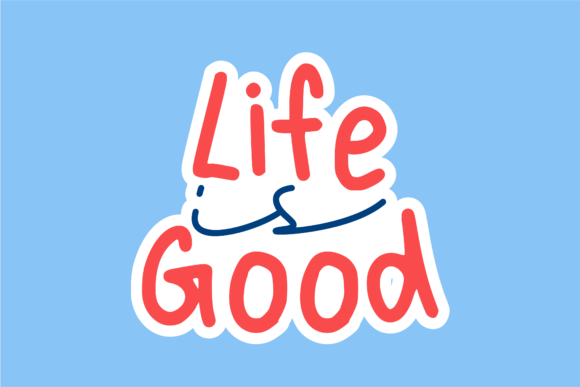
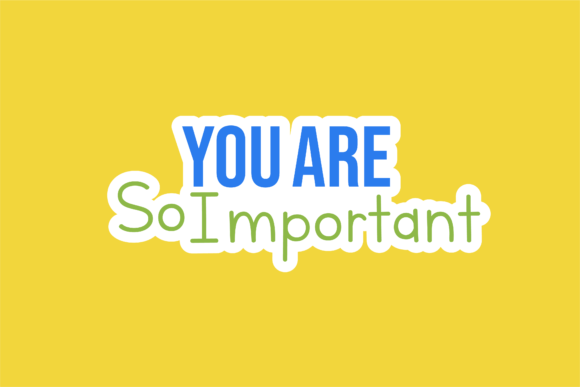
“Back to School Sticker You Are So” isn’t just a playful phrase—it’s a ready-to-deploy visual asset designed for real-world use across teaching, marketing, content creation, and small business operations. Whether you’re preparing classroom materials, launching a seasonal campaign, or building a cohesive brand experience for students and families, this sticker serves as both a functional element and a tone-setting detail. Its strength lies not in novelty alone, but in its seamless integration into existing workflows—where clarity, consistency, and compatibility matter more than flash.
What You’re Actually Getting—and Why Format Variety Matters
The package delivers six high-resolution files on a 1920px × 1280px canvas: one AI (Adobe Illustrator), one EPS (vector-compatible with older design suites), one DXF (for laser cutters and CNC machines), one JPG (universal web use), one PNG (with transparent background), and one editable vector file optimized for quick customization. This isn’t overkill—it’s foresight. Different tools demand different formats, and switching between them mid-project wastes time and introduces quality loss.
For example, an educator designing printable welcome kits might open the PNG in Canva or Google Slides for immediate drag-and-drop use. A freelance graphic designer building a full back-to-school social media bundle will reach for the AI or EPS to scale text, adjust colors, or layer effects without pixelation. Meanwhile, a craft-based small business owner producing physical stickers or vinyl decals will rely on the DXF for precise cutting paths in Silhouette Studio or Cricut Design Space.
Where It Fits in Your Workflow—Before, During, and After
Before launch: Use the sticker early in planning to define tone and audience alignment. If you’re developing a new teacher resource site, drop the “You Are So” sticker into your mood board alongside fonts, color palettes, and sample lesson thumbnails. Does it feel warm but professional? Encouraging without being cutesy? That early visual check prevents misalignment later—especially when multiple stakeholders are involved.
During execution: Embed it where encouragement has measurable impact. In digital planners or Notion templates for students, it works as a subtle progress marker—placed beside completed assignments or goal milestones. For email sequences targeting parents, inserting the PNG into a “First Week Recap” message reinforces appreciation while keeping design light and human. No extra copy needed—the phrase does the emotional work.
After delivery: Repurpose it—not recycle it. The same sticker can become part of a feedback loop: printed on thank-you cards for volunteer helpers, added to downloadable reflection sheets for students (“You are so thoughtful about your learning”), or layered into end-of-term video summaries. Because all files retain full editability, minor tweaks—like swapping “so” for “truly” or adjusting font weight—keep reuse intentional, not repetitive.
Compatibility Is Built-In—Not an Afterthought
This isn’t a “download and hope” asset. The inclusion of AI and EPS ensures backward compatibility with legacy versions of Adobe Creative Suite—critical for school districts or nonprofits still running older software licenses. The DXF opens doors beyond screen-based design: educators using makerspaces can cut durable vinyl versions for laptop decals; after-school program coordinators can etch the design onto acrylic name tags or wooden awards.
JPG and PNG files meet platform-specific needs without compromise. The JPG loads quickly in email clients where transparency isn’t supported. The PNG preserves crisp edges and clean backgrounds for Instagram carousels, PowerPoint presentations, or Canva-based newsletters—no white boxes or fuzzy halos. And because all files share the same canvas dimensions, swapping formats mid-edit doesn’t require repositioning or resizing—a small consistency win that adds up across dozens of assets.
Editing Without Friction—No Design Degree Required
You don’t need to master Bezier curves to adapt this sticker. In Illustrator, the text is live and editable—change typeface, size, or spacing in seconds. Colors are set as global swatches, so updating the accent shade across all instances takes one click. In Canva or PowerPoint, the PNG drops in cleanly and resizes proportionally. Even non-designers can use it meaningfully: a homeschool parent adding it to a weekly checklist; a tutoring business inserting it into client onboarding PDFs; a curriculum developer anchoring it to rubric headers.
That ease extends to accessibility considerations. The contrast ratio between text and background meets WCAG AA standards at standard sizes—no manual adjustment needed for most uses. If you do modify colors, the vector source gives you full control over luminance and saturation, unlike raster-only assets where edits degrade quality.
Long-Term Use Starts With Smart Organization
Treat this sticker like any other reusable component: name files clearly (e.g., back-to-school-sticker-you-are-so_AI_v2.ai), store them in a dedicated “Brand Assets/Seasonal” folder, and document usage notes in your team’s shared drive (“Used in Aug 2024 welcome email; paired with Montserrat Bold, #2E5A88”). Consistency compounds over time—not through rigid rules, but through accessible structure.
Consider versioning if you plan annual updates. Save the original untouched, then create dated variants for specific campaigns. That way, if a school administrator asks, “Can we reuse last year’s sticker but change the color to match our new logo?”—you can pull the exact file, not reconstruct from memory.
Real Integration Looks Like This
- A literacy coach builds a set of reading challenge trackers in Google Sheets. She inserts the PNG next to each student’s name—small, consistent, reinforcing belonging before the first book is even chosen.
- A boutique education publisher bundles the AI file with their editable lesson plan templates. Subscribers get not just structure—but voice and warmth baked into the framework.
- An edtech startup uses the DXF to produce limited-run enamel pins for beta testers. The physical object becomes a conversation starter—and the digital file remains ready for app interface updates.
None of these uses require reinvention. They rely instead on recognizing where encouragement functions as infrastructure—not decoration. “Back to School Sticker You Are So” works because it’s precise in intent and flexible in application. It supports action, not just aesthetics.
Final Consideration: Quality Control at Scale
When deploying across multiple channels—print, web, video, physical goods—test one format before rolling out all six. Try the PNG in your email service provider’s preview mode. Render the AI file at 300 DPI for print mockups. Import the DXF into your cutting software and run a test pass on scrap material. Catching inconsistencies early avoids delays when deadlines tighten.
And remember: the value isn’t in how many times you use the sticker, but how cohesively it supports what you’re already doing. Whether you’re onboarding a new grade level, launching a course, or simply closing one school year with intention—this asset helps carry tone forward, cleanly and efficiently.