Back to School SVG Design, Back to Schoo: What You Actually Need to Know Before Downloading
If you've searched for “Back to School SVG Design, Back to Schoo” lately, you’ve probably seen dozens of ZIP files promising EPS, SVG, PNG, and DXF files—all labeled “ready to cut,” “teacher-approved,” or “perfect for Cricut and Silhouette.” But here’s what many creators overlook: not all Back to School SVG Design, Back to Schoo bundles deliver what they claim. And that gap between expectation and reality can cost time, money, and confidence—especially if you're new to digital design or running a small creative business.
What “Back to School SVG Design, Back to Schoo” Really Means (and Why It Matters)
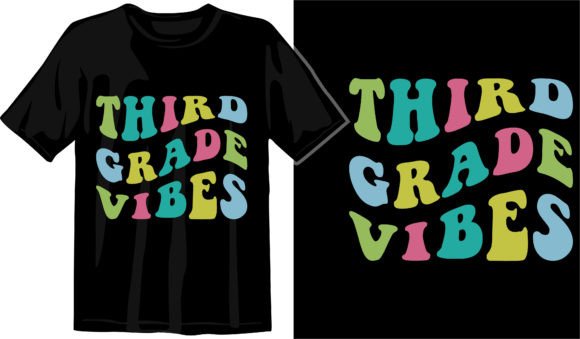
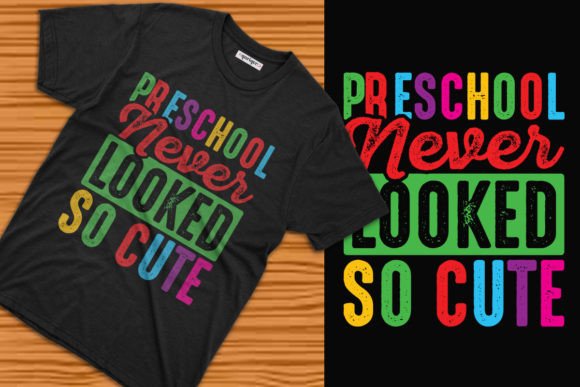
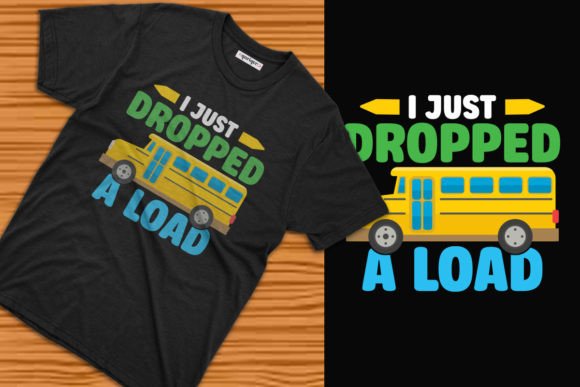
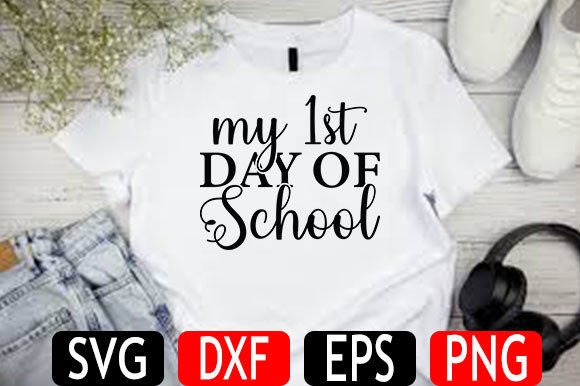
This phrase usually refers to a curated set of vector-based school-themed graphics—think apples, backpacks, pencils, graduation caps, chalkboards, and playful typography like “I ♥ Math” or “Future Scientist.” Unlike raster images (like standard JPEGs), SVG files are scalable without losing quality, making them ideal for cutting machines, print-on-demand products, classroom posters, or social media banners. The inclusion of EPS (for Adobe Illustrator users), PNG (for web or layered editing), and DXF (for certain CNC or older cutting software) signals versatility—but only if those files are properly built and tested.
The “Back to Schoo” spelling variation isn’t just a typo—it’s often a stylistic choice meant to evoke handwriting, chalkboard charm, or retro classroom vibes. That nuance matters when selecting designs for branding consistency, especially for educators launching blogs, Etsy shops, or school supply lines.
Common Mistakes—and How They Slow You Down
Assuming file formats are interchangeable. Just because a ZIP includes SVG, EPS, PNG, and DXF doesn’t mean they’re all optimized for your use case. For example, an SVG file with embedded raster images won’t cut cleanly on a Cricut. An EPS saved as a flattened compound path may not ungroup in Inkscape. A PNG with no transparent background forces awkward cropping in Canva. These aren’t edge cases—they’re frequent oversights in low-effort bundles.
Overlooking layer structure and naming. If you plan to customize colors, swap elements, or animate parts (e.g., for a teacher newsletter video), you need clearly labeled layers and grouped objects. Many “Back to School SVG Design, Back to Schoo” packs ship with flattened, unnamed layers—or worse, nested clipping masks that break when resized. One freelance educator told us she spent 45 minutes trying to isolate a single pencil icon before realizing it was fused into the background.
Ignoring licensing scope. Some sellers label files “commercial use allowed” but restrict resale of *digital files*—meaning you can print stickers but can’t bundle the SVGs into a paid resource pack for fellow teachers. Others exclude use on POD platforms like Redbubble or Printful unless you buy an extended license. Always check the license *before* designing your product line.
What to Check Before You Download or Buy
Before adding any “Back to School SVG Design, Back to Schoo” bundle to your cart, open the preview images and ask:
- Are the SVGs truly vector? Zoom in on the preview thumbnail—if edges look pixelated or blurry at 300%, it’s likely a raster export masquerading as SVG.
- Do the EPS files open cleanly in Illustrator (or your vector editor)? Try opening one in a free trial version first. If fonts don’t convert to outlines or paths appear distorted, the file wasn’t prepped for cross-software compatibility.
- Is the PNG version truly transparent? Drop it over a colored background. If you see a white or gray box around the design, the transparency wasn’t preserved—limiting its use in presentations or layered mockups.
- Are DXF files simplified enough for your machine? Complex gradients or tiny overlapping shapes can crash older Silhouette Studio versions. Look for bundles that specify “cut-ready DXF” or include a simplified alternate.
Better Choices Start With Realistic Expectations
You don’t need every format—just the ones that match your workflow. If you use Cricut Design Space exclusively, prioritize well-structured SVGs with clean paths and minimal anchor points. If you design merch for print shops, focus on high-resolution PNGs (300 DPI) and editable EPS files with outlined fonts. And if you teach digital art, choose packs that include layered PSD alternatives or detailed layer notes—even if they cost slightly more.
One small business owner who sells personalized teacher planners switched from $5 “mystery bundles” to vetted $12–$18 packs after realizing how much time she saved avoiding rework. Her rule now? “If the seller shows a real screenshot of the file opened in Illustrator—not just a styled mockup—I’ll trust it.”
A Note on Quality Beyond the ZIP File
The best “Back to School SVG Design, Back to Schoo” collections go beyond technical specs. They include thoughtful extras: color palettes matched to current education trends (think muted sage and terracotta instead of neon overload), alternate versions for inclusivity (e.g., diverse skin-tone pencils or gender-neutral backpack icons), and even editable text boxes so you can insert student names or grade levels without breaking alignment.
And while it’s tempting to grab free downloads, remember: free files rarely include commercial rights, consistent formatting across formats, or responsive support. One blogger learned this the hard way when her viral “First Day of Kindergarten” Instagram story template—built from a free SVG—got flagged for copyright because the apple icon was traced from a trademarked brand logo.
Final Thought: Match the Design to Your Goal, Not Just the Theme
“Back to School SVG Design, Back to Schoo” isn’t about nostalgia—it’s about utility. Whether you’re prepping classroom decorations, launching a back-to-school T-shirt line, or building a resource library for homeschoolers, the right files save hours and raise perceived professionalism. Don’t default to the flashiest thumbnail. Instead, download a sample, test it in your actual software, and verify it does exactly what you need—before scaling up.
When you do, you’ll find that the most useful “Back to School SVG Design, Back to Schoo” isn’t the one with the most files—but the one where every file works, every layer behaves, and every design feels intentional.