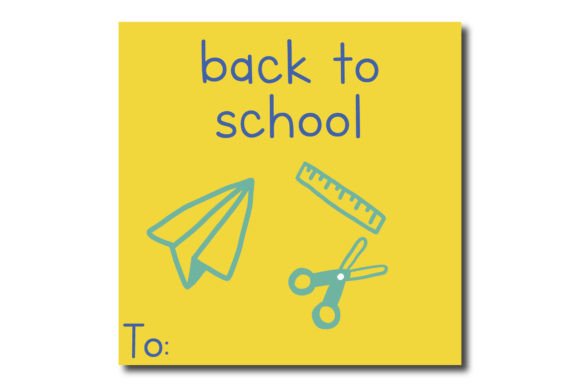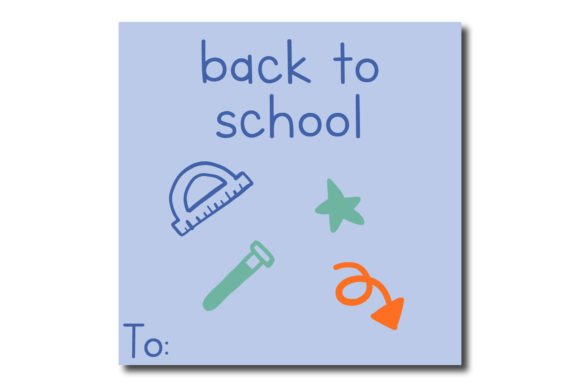
Blue Card Back to School Stationary
Back-to-school season isn’t just for students—it’s a creative reset for educators, small business owners, content creators, and marketers. The Blue Card Back to School Stationary is designed with that energy in mind: clean, versatile, and ready to adapt across real-world projects. It’s not just a decorative template—it’s a functional design asset built for clarity, consistency, and ease of use.
What You’re Actually Getting—and Why It Matters
This pack delivers six high-resolution files—each serving a distinct purpose—on a standardized 1920px × 1280px canvas. That size strikes a practical balance: large enough for print-ready detail, yet optimized for digital previews, social banners, or classroom displays. You receive:
- 1 editable AI file (Adobe Illustrator) — ideal for refining typography, adjusting layers, or reworking layout elements;
- 1 scalable EPS file — compatible with older design software and widely accepted by professional printers;
- 1 DXF file — essential if you’re cutting vinyl, engraving acrylic, or using CNC tools for physical classroom signage or custom merch;
- 1 high-quality JPG file — perfect for quick sharing, email headers, or embedding in presentations without transparency concerns;
- 1 transparent-background PNG file — great for overlays, website banners, or layered mockups where background flexibility matters.
No hidden layers. No locked assets. No placeholder text that forces you to hunt down fonts. Everything is organized, labeled, and built with intention—so your time goes toward creating, not troubleshooting.
Creative Possibilities That Go Beyond the Obvious
Think beyond “back-to-school posters.” This stationary works because blue carries quiet authority and calm focus—ideal for academic environments, learning platforms, or even wellness-oriented education brands. Here’s how different users are applying it:
Educators & Homeschoolers
Use the AI or PNG files to build consistent weekly planners, reading logs, or behavior trackers—then add student names, subject icons, or progress charts. Because the base design is clean and uncluttered, it doesn’t compete with handwritten notes or stickers. One teacher printed the design on cardstock, laminated it, and used dry-erase markers for rotating classroom jobs—reusing the same layout all year.
Small Business Owners & Bloggers
If you sell printable planners, digital curriculum bundles, or teacher resources on Etsy or Gumroad, this stationary gives your product pages visual cohesion. Drop the JPG into your sales page as a hero image, then layer your pricing table over the PNG version with transparency. The EPS ensures your logo stays crisp when bundled into PDF workbooks or printed catalogs.
Freelance Designers & Marketers
You can use the DXF file to cut custom back-to-school signage for local tutoring centers—or adapt the AI file into branded newsletter templates, Instagram story frames, or Google Slides themes for school district communications. One designer used the blue tones as a starting palette, pulled HEX values, and extended the color system into a full brand kit for a new online learning startup.
How to Keep Your Adaptations Clear and Audience-Friendly
Strong design isn’t about complexity—it’s about making intent legible at a glance. When adapting the Blue Card Back to School Stationary, ask yourself three questions before finalizing:
- Who needs to understand this fastest? A busy parent scrolling Instagram? A principal reviewing budget proposals? Adjust font size, hierarchy, and contrast accordingly—not just for aesthetics, but for accessibility.
- Where will this live? If it’s for a printed handout, prioritize CMYK-safe blues and avoid thin lines that may disappear in offset printing. For web use, lean into the PNG’s transparency to blend smoothly with your site’s background color or gradient.
- What action should follow? Is the goal to register for a workshop? Download a checklist? Sign up for a newsletter? Make sure your CTA stands out—not visually louder, but contextually clearer. Use space, weight, and placement, not just color.
One common misstep: over-customizing. It’s tempting to replace every element—but the strength of this stationary lies in its restrained foundation. Try limiting edits to one or two variables: swapping a single icon set, adjusting headline font, or adding a subtle border. That preserves recognition while keeping your version distinct.
Realistic Ideas You Can Start Today
- Create a “First Week Warm-Up” series: Use the PNG as a base for five daily social posts—each highlighting a classroom routine (e.g., “How We Share Supplies,” “Our Quiet Reading Corner”). Add short captions and student-friendly illustrations.
- Build a reusable lesson plan template: Open the AI file, lock the blue card background, and add editable text boxes for objectives, materials, and reflection prompts. Export as PDF for staff training binders.
- Design limited-edition merch: Import the DXF into Cricut Design Space or Silhouette Studio, resize for mugs or tote bags, and pair with a simple phrase like “Ask Me About My Project” or “I’m Learning With Purpose.”
- Support inclusive onboarding: Translate key sections into Spanish or ASL-friendly visuals, then overlay them cleanly on the JPG version—ensuring multilingual families see themselves reflected in school communications.
None of these require advanced skills—just clear goals and thoughtful adaptation. And because all six files share the same dimensions and visual logic, switching between formats feels seamless, not disruptive.
Final Thought: Tools Support Intent—They Don’t Replace It
The Blue Card Back to School Stationary won’t write your syllabus, design your workshop, or grow your email list. But it removes friction from the doing. It gives you a reliable starting point so your energy goes where it matters most: shaping meaningful experiences for learners, clients, or communities. Whether you’re preparing for September or launching a new course in January, having a well-built, adaptable foundation helps you move forward—not start over—every time.